From peatland restoration and wetland management to habitat creation and ecological land improvement, conservation projects play a vital role in protecting and restoring the UK’s natural environments.
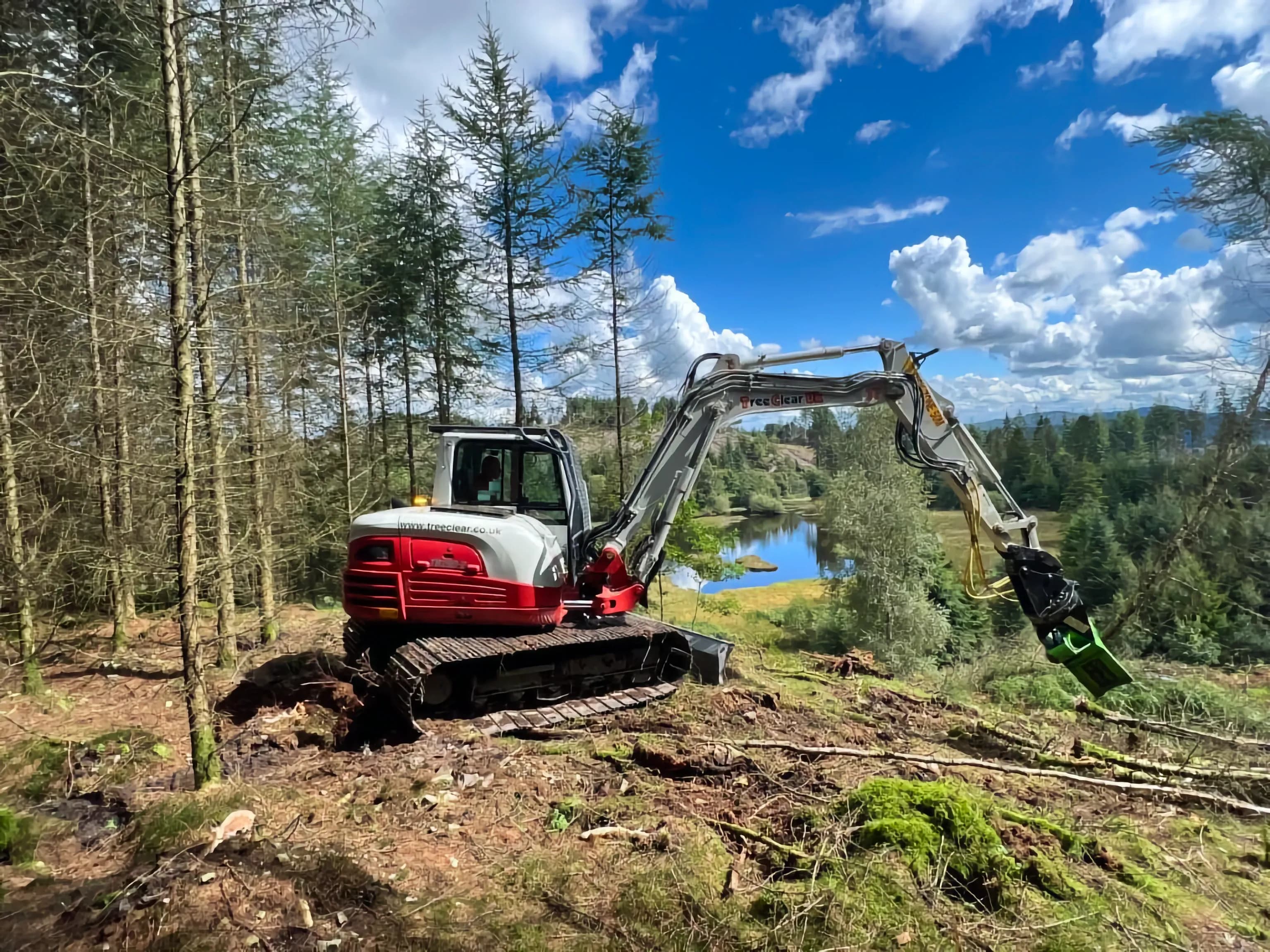
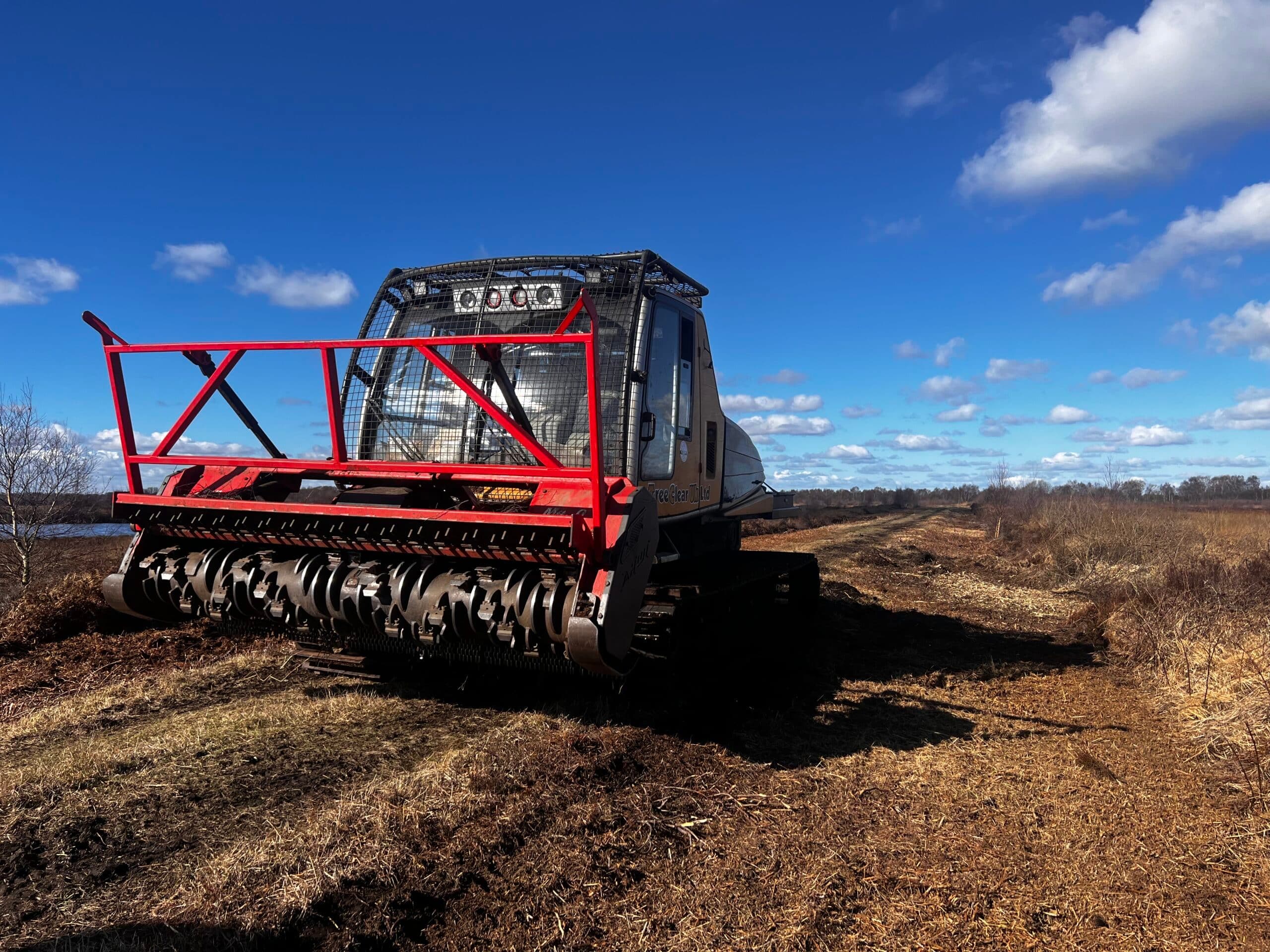
These works are often carried out on sensitive or unstable ground, where inappropriate machinery can cause lasting damage. That’s where Low Ground Pressure (LGP) machinery becomes essential.
Designed to operate with minimal impact on delicate surfaces, LGP machinery allows conservation and land management projects to be completed efficiently, safely, and responsibly, without compromising soil structure, hydrology, or biodiversity.
For organisations working in protected or environmentally sensitive areas, the right machinery can make the difference between long-term success and irreversible damage.
In this blog, we explore why LGP machinery is so important for conservation projects and how it supports sustainable land management.
We’ll cover:
- What LGP machinery is and how it works
- Why LGP machinery is critical for conservation and ecological projects
- Common applications in peatlands, wetlands, and woodlands
- The key environmental and operational benefits
- How to choose the right LGP machinery for your site
Whether you’re managing a restoration project, working within protected habitats, or planning environmentally responsible land clearance, understanding the role of LGP machinery is essential.
If you’d like expert advice or a free site assessment, Treeclear UK provides specialist LGP machinery and experienced operators for conservation and ecological works across the UK.
Call 07813 140 683 or use our online contact form to discuss your project requirements.